
PPE Compliance: How AI & Video Analytics Improve Workplace Safety
Introduction
Personal Protective Equipment (PPE) compliance means making sure workers always wear the right safety gear like helmets, gloves, safety glasses, vest, harness and safety boots. It is crucial in high-risk industries such as construction, logistics, manufacturing, and oil & gas, where employees face dangers like falls, chemical exposure, heavy machinery accidents, and forklift related hazards. Poor PPE compliance can result in serious injuries, costly downtime, and even legal issues for companies.
Traditionally, PPE compliance was checked through manual supervision and regular safety inspections. But these methods often fail to catch violations as they happen. Now, with AI-powered monitoring and detection of PPE with video analytics, safety management is becoming smarter. These systems can automatically detect when workers are not wearing PPE, track compliance patterns, and send instant alerts whenever safety rules are broken.
How Computer Vision AI Improves PPE Compliance
AI Powered CCTV continuously monitors and checks if workers are wearing the correct PPE. For example, it can instantly detect and send real time alerts when a helmet, vest, or mask is missing. By using these systems, organizations can reduce human error in monitoring, receive real-time alerts for quick action, and analyse compliance data to identify trends and improve workplace safety. This proactive approach makes PPE compliance monitoring with AI more reliable than traditional methods.
What is PPE Compliance?
Personal Protective Equipment (PPE) is the safety gear workers use to protect themselves from different workplace hazards. It acts as a shield against physical, chemical, and environmental risks, helping employees stay safe and healthy in their work environment.
Explore What are the Personal Protective Equipment at Work Regulations?
Common PPE Requirements:
Different industries require different types of PPE depending on the risks involved. The most commonly used equipment includes:
- Helmets – protect against head injuries from falling objects.
- Gloves – safeguard hands from cuts, burns, or chemical exposure.
- Safety Vests – enhance visibility, especially in construction, logistics and traffic-related jobs.
- Goggles – shield eyes from dust, sparks, and chemical splashes.
- Harnesses – provide fall protection for workers operating at heights.
- Coveralls – protect against dirt, heat, and chemical contamination.
- Safety Boots – prevent foot injuries from heavy objects or sharp materials.
Importance of PPE Compliance
Wearing Personal Protective Equipment (PPE) is more than just a workplace rule, it is a legal and regulatory requirement. Global safety standards like OSHA (Occupational Safety and Health Administration) and ISO (International Organization for Standardization) set clear guidelines that every employer must follow. By ensuring PPE compliance, organizations can protect workers from injuries, lower downtime and medical expenses, meet regulatory obligations, and foster a strong culture of safety and responsibility. Prioritizing PPE compliance not only safeguards employees but also strengthens trust, boosts productivity, and keeps businesses aligned with international safety laws.
Challenges in PPE Compliance
Even though PPE is essential for workplace safety, ensuring consistent compliance remains a major challenge across industries. Some of the most common issues include:
1- Human Error and Negligence
Workers may forget or intentionally choose not to wear protective equipment due to discomfort, lack of awareness, or time pressure. This negligence increases the risk of accidents and undermines safety protocols.
2- Manual Monitoring Inefficiencies
Traditional PPE checks usually depend on supervisors doing regular inspections. However, this method is time-consuming, and is hard to manage on big worksites, and can miss violations in busy or risky areas. It also reacts after problems happen instead of preventing them in real time.
3- High Costs of Workplace Accidents
Non-compliance with PPE rules can result in serious injuries, fatalities, and heavy financial losses for organizations. Companies often face high medical costs, compensation claims, downtime, and reduced productivity.
To avoid these risks, businesses need to move beyond manual checks and adopt AI-driven solutions that can detect PPE violations in real time and ensure continuous compliance.
Detection of PPE with Video Analytics
Modern video analytics powered by Computer Vision AI can automatically identify whether workers are wearing the required protective gear. The system can:
Instantly detect missing PPE, such as helmets or safety vests, and send real-time alerts to supervisors or safety officers. At the same time, they record compliance data that can be used for audits and training. With automation, companies don’t have to rely on manual checks. Safety issues are spotted right away, making it faster and easier to prevent violations as well as strengthening EHS compliance risk management, enabling resources to be focused on high-risk areas before incidents occur.
PPE Compliance Monitoring with AI
AI-powered PPE compliance monitoring takes workplace safety beyond manual checks, using AI driven CCTV to detect violations in real time and keep workers protected.
How AI Monitoring Works
AI-powered PPE monitoring uses image recognition and computer vision to analyse live video feeds from smart cameras. The system is trained to recognize standard protective equipment such as helmets, gloves, vests, goggles, and safety boots. When a worker is detected without the required gear, the AI system immediately flags the violation.
This makes AI PPE compliance monitoring more reliable than traditional manual checks, especially in large and dynamic work environments.
Automatic Alerts and Notifications
When a safety violation occurs, the system can instantly notify supervisors through Dashboard and log the incident for reporting and audits. This real-time monitoring ensures that safety violations are not only detected but also acted upon quickly, reducing risks and reinforcing accountability.

AI-Powered PPE Monitoring: Benefits & Applications
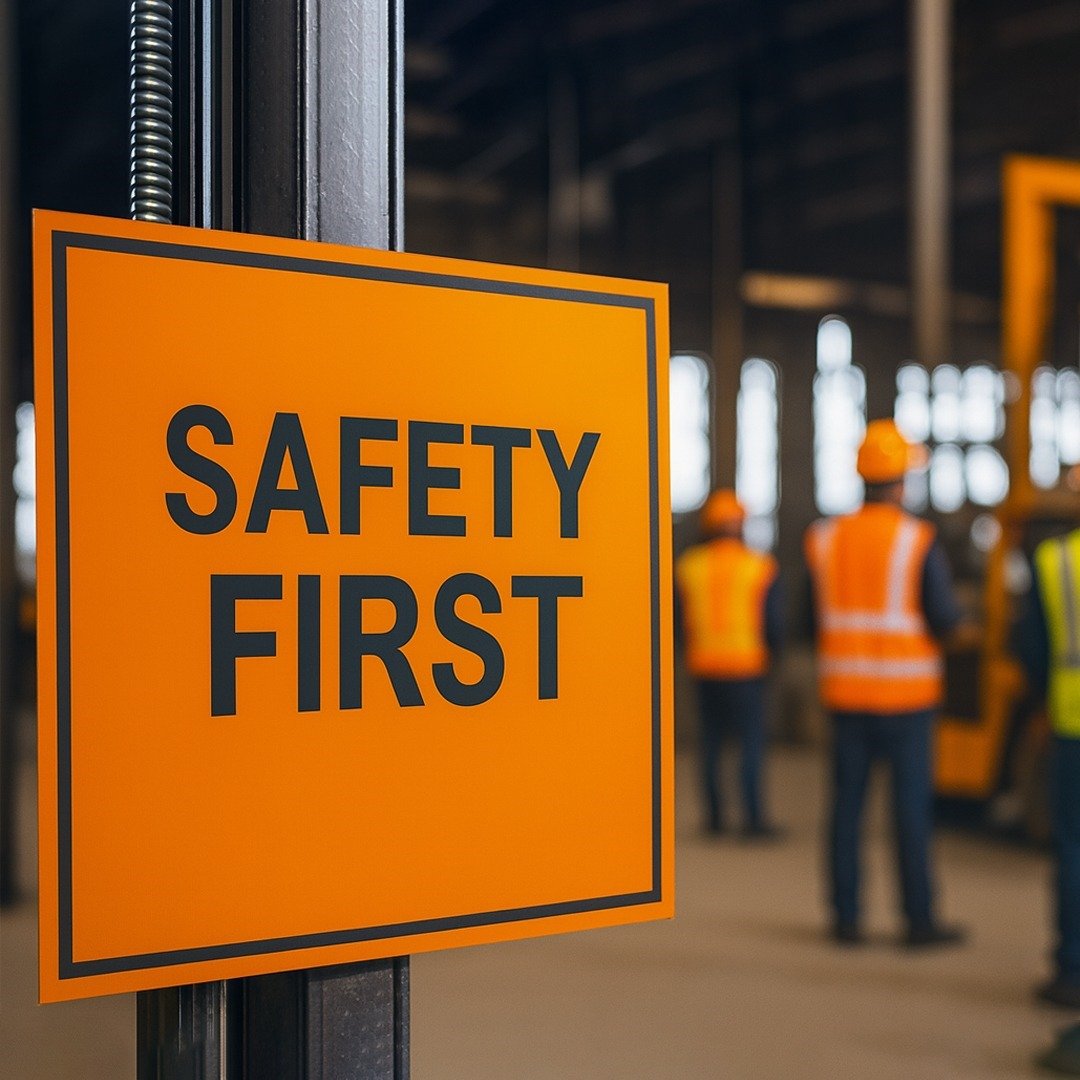
AI-powered PPE monitoring not only ensures workers follow safety rules but also helps organizations improve efficiency, reduce risks, and create safer workplaces across industries.
Applications Across Industries
Computer Vision AI is versatile and can be applied to almost any industry where worker safety is a priority. Beyond AI-powered PPE detection, it helps monitor crowding in high-risk areas, identifies unsafe behaviours and tracks compliance trends over time. These insights allow organizations across construction, manufacturing, oil & gas, and logistics to not only reduce accidents but also improve training programs and strengthen overall safety culture.
The Disrupt Labs Solution
The Disrupt Labs offers AI-powered safety solutions that go beyond simple detection. Our system delivers instant alerts to supervisors when non-compliance is identified, while compliance dashboards automatically record and analyse PPE data for audits and reporting. More importantly, it enables proactive risk prevention, protecting workers and making safety management more efficient. By combining real-time monitoring with analytics, we help organizations shift from reactive inspections to proactive, AI-driven safety compliance.
Future of PPE Compliance Monitoring
The future of workplace safety is shifting from manual checks to proactive, data-driven monitoring. With computer vision, AI can continuously track PPE usage, detect violations instantly, and provide insights for long-term improvements.
At The Disrupt Labs, we’re driving this change with scalable AI solutions that combine real-time detection, instant alerts, and compliance dashboards helping organizations protect workers, simplify audits, and build a stronger culture of safety.
Conclusion
PPE compliance is the foundation of workplace safety. With AI-powered video analytics and computer vision, organizations can ensure continuous monitoring, real-time detection, and proactive prevention of safety risks. This shift not only reduces accidents and costs but also helps businesses meet strict regulatory standards while building a stronger culture of accountability and safety.
At The Disrupt Labs, we are committed to shaping the future of workplace safety through smart, scalable AI solutions that protect workers and simplify compliance.
Ready to make your workplace safer with AI-powered PPE compliance monitoring? Get in touch with The Disrupt Labs today, to explore how our solutions can protect your workforce and streamline safety management.
Frequently Asked Questions
The system can detect items such as helmets, safety vests, gloves, boots, safety goggles, and harnesses. It can be customized to fit industry-specific requirements.
Yes. Supervisors receive instant alerts for any PPE violations, enabling quick corrective actions and improving overall site safety.
Organizations typically see reduced accident-related costs, fewer regulatory fines, and enhanced operational productivity.
AI-powered systems continuously monitor work zones through CCTV, automatically detect PPE violations in real time, and alert supervisors for immediate action.

Wafa Zehra
She brings together her expertise in business development and content strategy to showcase the growing role of computer vision AI in enhancing workplace safety and HSE/EHS compliance. At The Disrupt Labs, she focuses on writing insightful content that explores AI-driven innovations and their impact on industrial safety.
View all posts