What Is an EHS Management System? Compliance, Risk & AI Explained
Introduction
The EHS management system is a structured framework of policies, procedures, and practices that are designed to help organizations to identify risks, reduce hazards, and protect both workers and the environment. Without such framework, organizations may overlook dangers, respond inconsistently, or fail in EHS compliance risk management.
Today, organizations are integrating AI for EHS management to make them more proactive, accurate, and efficient. This integration allows companies to automate monitoring, improve compliance, and reduce workplace hazards. The Disrupt Labs vision AI solutions goes beyond traditional manual checks by offering real-time monitoring, instant hazard detection, and automated alerts helping organizations prevent accidents and improve the overall EHS management system.
Why EHS Systems Matter: Compliance & Risk Mitigation
EHS management systems play a critical role in EHS legal compliance and risk management because they provide a structured way for organizations to meet legal, regulatory, and industry-specific commitments. Every business faces workplace accidents and failing to manage them can lead to legal penalties, financial losses, and reputational damage.
An EHS management system ensures that these risks are identified, assessed, and controlled. With The Disrupt Labs computer vision AI solutions, companies can go a step further shifting from reactive responses to proactive risk prevention by detecting hazards before they escalate.
Read more about what is EHS compliance & why companies need it?
Alignment with OSHA, ISO 14001, and ISO 45001
Global and local regulations demand strict compliance, and EHS management systems help organizations align with these requirements. For example, OSHA (Occupational Safety and Health Administration) standards in the U.S. require companies to provide safe working conditions, while ISO 14001 focuses on environmental management systems. Similarly, ISO 45001 establishes international best practices for occupational health and safety management.
Instead of just checking boxes for compliance, AI-enabled EHS management systems ensure organizations actively reduce risks. By detecting hazards in real time, sending instant alerts, and automating compliance reporting, AI powered solutions helps companies not only meet regulatory requirements but also build a proactive safety culture that prevents violations before they happen.
Reducing Compliance Risks with AI
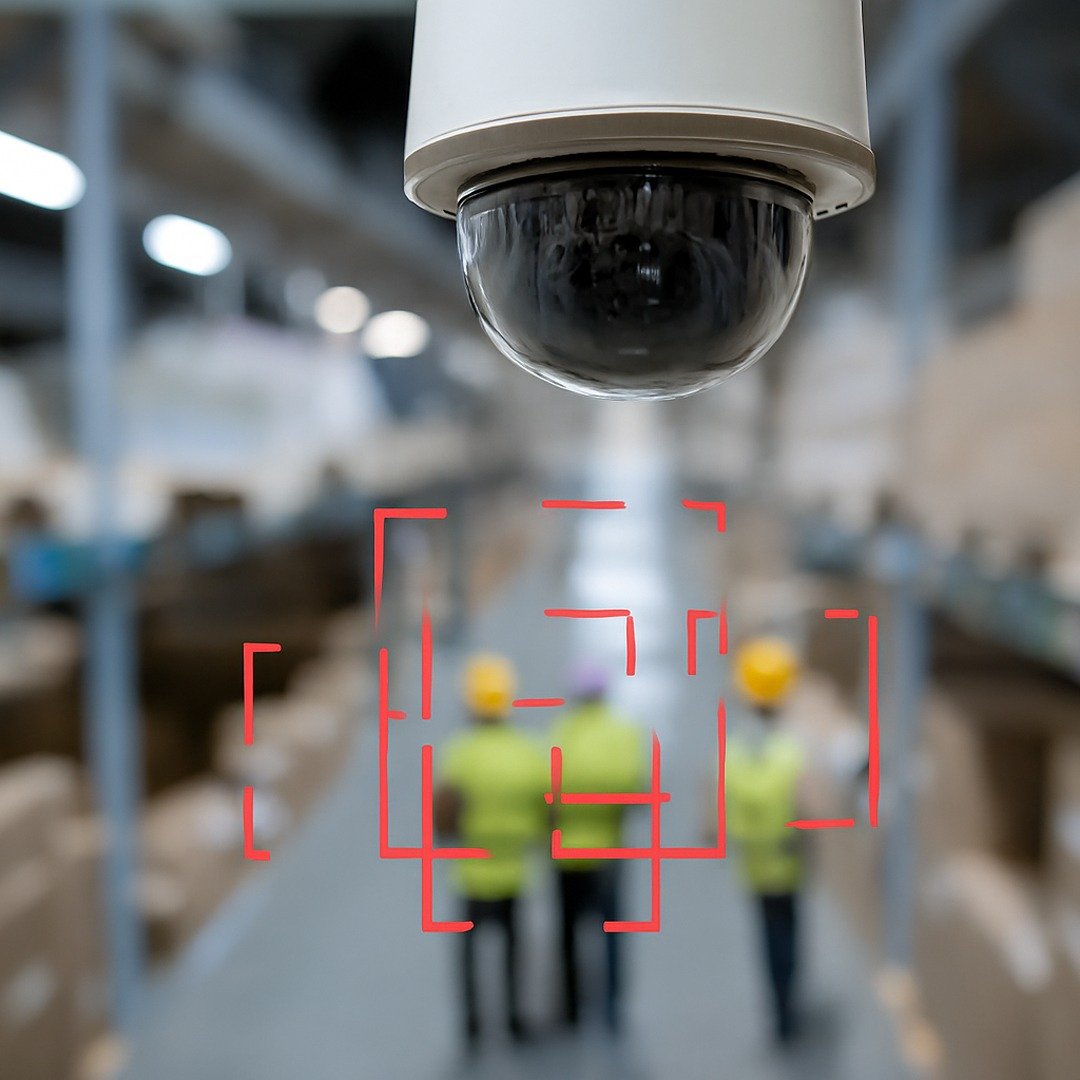
Traditional compliance management often relied on manual inspections and periodic audits, which could miss hazards. Modern EHS management systems, however, are enhanced with computer vision AI, which adds an extra layer of protection. AI-powered cameras can detect hazards in real time such as employees not wearing PPE, unsafe behaviours, or forklift-person proximity. Instead of reacting after an incident occurs, computer vision AI allows organizations to take immediate action, reducing both the likelihood and severity of compliance risks.
Proactive Compliance through AI Integration
Computer vision AI helps reduce EHS compliance risks by shifting the approach from reactive to proactive management. With real-time hazard detection, risks are identified and addressed the moment they occur. Beyond detection, computer vision AI also strengthens compliance by automatically generating reports. This ensures organizations remain aligned with safety frameworks while creating a safer, more compliant workplace.
Core Elements of an EHS Management System
The EHS management system is built on four essential elements: setting clear safety policies, conducting risk assessments, performing regular audits, and maintaining accurate reporting. Policies define organizational commitment to health, safety, and the environment, while risk assessments identify potential hazards before they escalate. Audits verify compliance with OSHA and ISO standards, ensuring safety programs are working effectively. Reporting provides transparency and accountability, supported by live dashboards from The Disrupt Labs that automate documentation, track compliance in real time, and deliver actionable insights to strengthen workplace safety.
Enhancing EHS with Computer Vision AI
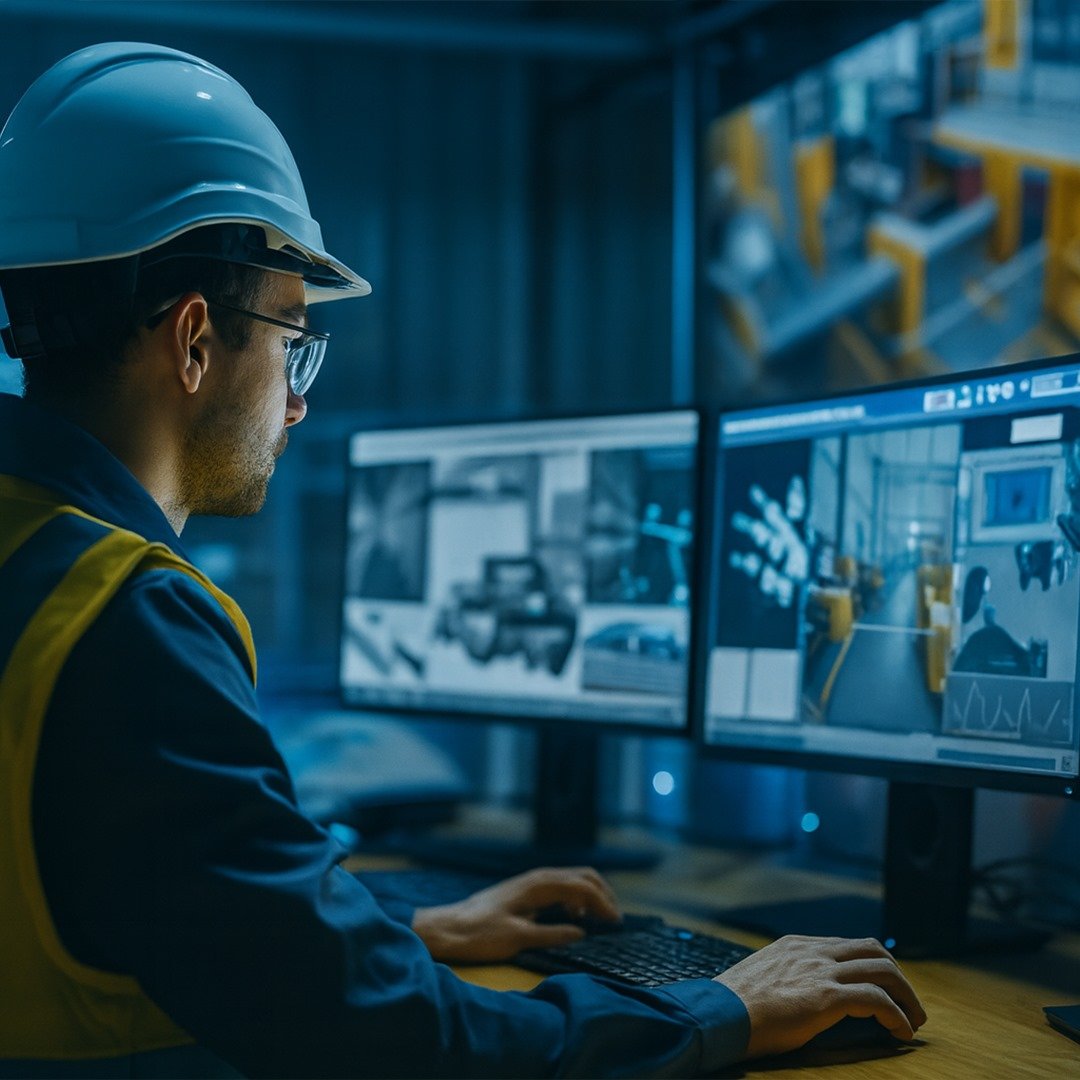
Artificial Intelligence, especially computer vision, is revolutionizing how organizations manage and maintain EHS compliance and workplace safety. AI-powered CCTV systems can automatically detect whether employees are wearing the required Personal Protective Equipment (PPE), such as helmets, gloves, or safety vests. These systems also monitor restricted zones, instantly identifying unauthorized access and sending alerts to prevent potential accidents. Other than this, computer vision can recognize dangerous situations like spills, or unsafe behaviours and trigger immediate warnings to both employees and safety managers.
Traditionally, safety compliance relied on reactive inspections, where risks were identified during audits or after incidents occurred. With AI, inspections become continuous and proactive. Hazards are detected in real time, alerts are sent instantly, and corrective actions can be taken before accidents happen. This not only strengthens compliance with safety standards but also builds a culture of prevention, where technology actively reduces risks and protects workers every day.
Legal Compliance, Governance & Risk Protection
EHS management system helps keep workplaces safe by reducing risks and protecting employees from accidents. By spotting hazards early and tracking safety measures, EHS helps prevent accidents before they happen.
AI-powered CCTV detects PPE violations and unsafe behaviors in real time. When a hazard appears, instant alerts are sent to dashboards, allowing safety teams to act immediately and prevent incidents. These systems also improve EHS management by automating compliance tracking, continuous monitoring, and reporting. With real-time insights and audit-ready reports, organizations can ensure safer, more compliant workplaces.
By automating reporting and tracking compliance, companies can ensure accurate and consistent adherence to safety requirements without the pressure of last-minute preparations.
Choosing the Right EHS System for Your Organization
Selecting the right EHS management system means finding a solution that adapts to your organization’s size, risks, and compliance needs. Key factors include scalability, seamless AI integration, real-time monitoring, and automated compliance tracking. AI-powered CCTV detects hazards instantly, simplifies audits, and provides live compliance insights helping companies build safer, smarter, and fully compliant workplaces.
At The Disrupt Labs, we specialize in AI-powered industrial safety solutions that reduce risks and strengthen compliance. By leveraging computer vision and real-time analytics, AI Powered CCTV systems continuously monitor PPE usage, detect unsafe behaviors, and flag hazards instantly. This proactive approach not only minimizes workplace accidents but also ensures organizations stay aligned with global EHS standards, making compliance smarter, faster, and more reliable.
Conclusion
A well-structured EHS management system is essential for protecting employees, ensuring compliance, and reducing risks across high-risk industries. By integrating AI-powered computer vision, organizations can move from reactive safety checks to proactive prevention, transforming how hazards are detected and compliance is maintained.
Ready to strengthen your safety culture? Contact The Disrupt Labs today to explore how AI can transform your compliance and risk management.
Frequently Asked Questions
It automates PPE detection, monitors restricted zones, identifies hazards in real time, and enables proactive risk prevention before accidents occur.
AI-powered CCTV continuously monitors the workplace and sends real-time alerts to dashboards. Every safety event is automatically organized, and turned into instant reports making audit data accurate, accessible, and always up to date.
It can detect PPE violations (like missing helmets or gloves), unsafe machinery operations, unauthorized access to restricted zones, hazardous spills and much more.

Wafa Zehra
She brings together her expertise in business development and content strategy to showcase the growing role of computer vision AI in enhancing workplace safety and HSE/EHS compliance. At The Disrupt Labs, she focuses on writing insightful content that explores AI-driven innovations and their impact on industrial safety.
View all posts