Transforming Workplace Safety Through AI-Powered PPE Compliance
Introduction
In today’s fast-paced industrial environment, maintaining workplace safety has become more critical than ever. PPE compliance plays a vital role in protecting employees from workplace hazards, ensuring that helmets, gloves, harness, safety goggles, vests and other personal protective equipment are used correctly and consistently. Traditional monitoring methods, such as manual inspections, supervisor checks and periodic audits, often fall short due to human error, inconsistent enforcement and the time-intensive nature of these practices.
As workplaces grow larger and more complex, the challenge of maintaining compliance becomes even greater. With real-time PPE detection powered by AI-driven vision systems, organizations can instantly identify violations, monitor adherence across multiple sites to prevent potential accidents before they occur. By integrating these advanced technologies, organizations can improve operational efficiency, reduce risks, ensure regulatory compliance and setting new standards for workplace safety and employee protection.
At The Disrupt Labs, we’re redefining how industries approach safety, compliance and operational efficiency through intelligent automation. Our vision AI solutions empower organizations to detect and prevent risks in real-time, ensure consistent worker protection compliance, enhance productivity and build safer, smarter and more sustainable workplaces worldwide.
1. Understanding PPE Compliance
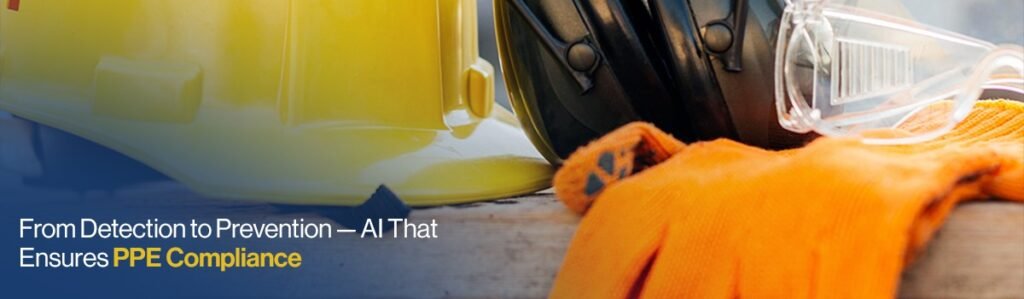
Personal Protective Equipment (PPE) encompasses a range of gear designed to shield workers from workplace hazards. These hazards may include physical, chemical, radiological, electrical, mechanical or other workplace dangers. Common PPE items include helmets, gloves, safety goggles, harness, mask, ear-muffs, vests and full-body suits. Adhering to worker protection compliance ensures that workers are adequately protected, reducing the risk of injuries and fatalities.
Common Types of PPE
Various types of PPE are utilized across industries to safeguard workers:
- Head Protection: Hard hats and helmets protect against head injuries.
- Eye and Face Protection: Safety glasses, goggles and face shields guard against flying debris, chemical splashes and intense light.
- Hearing Protection: Earplugs and earmuffs reduce exposure to harmful noise levels.
- Hand Protection: Gloves protect hands from cuts, burns, chemicals and electrical hazards.
- Foot Protection: Safety shoes and boots prevent foot injuries from heavy objects or sharp items.
- Body Protection: Coveralls, vests, and protective sleeves shield the body from hazardous materials, prevent injuries during high-risk tasks and enhance overall workplace safety.
In the United States, the Occupational Safety and Health Administration (OSHA) sets forth regulations to ensure workplace safety. Despite the critical role of PPE, companies encounter several challenges in ensuring consistent compliance:
- Human distractions or fatigue in inspection.
- Time-Consuming manual checks that slow operations.
- Inconsistent enforcement of safety rules.
- Lack of Real-Time visibility into compliance performance.
By integrating, AI Vision system can automate PPE detection, providing real-time monitoring and reducing reliance on manual inspections. This approach enhances the accuracy and efficiency of PPE compliance.
2. Traditional Approaches to PPE Compliance
Traditional safety monitoring has long depended on supervisors conducting visual inspections and manual audits to verify helmets, gloves, safety goggles and vests. These methods aimed to prevent accidents and promote a culture of accountability. However, they often proved time-consuming, prone to human error and inconsistent across sites. Without real-time visibility, critical violations could easily go unnoticed until it was too late.
Recognizing these limitations, industries are now transitioning toward a smarter solutions approach that replaces manual checks with automated detection and real-time alerts. As discussed in The Disrupt Labs AI Use cases, these solutions empower organizations to achieve continuous monitoring, faster incident response and stronger compliance. This evolution marks a major step forward in building safer, data-driven workplaces and represents the future of PPE compliance.
3. The Role of AI in PPE Compliance
AI-powered CCTV systems enable automated PPE detection, continuously monitoring workers to ensure helmets, gloves, safety goggles, vests and other protective equipment are correctly worn. These AI systems for PPE compliance can identify PPE violations in real time, instantly notifying supervisors and reducing human error associated with manual checks. Beyond detection, AI analyses patterns to anticipate potential PPE-related risks and prevent workplace accidents.
At The Disrupt Labs, our Vision AI solutions enables:
- Real-time PPE detection and compliance tracking to ensure every worker follows safety protocols.
- Instant alerts and actionable insights to enable quick corrective action on-site.
- Predictive analytics and trend monitoring to identify recurring risks and strengthen preventive measures.
This intelligent automation allows EHS (Environment, Health and Safety) teams to focus on prevention rather than reaction minimizing accidents, downtime and regulatory penalties.
4. The Impact of Video Analytics in PPE Compliance
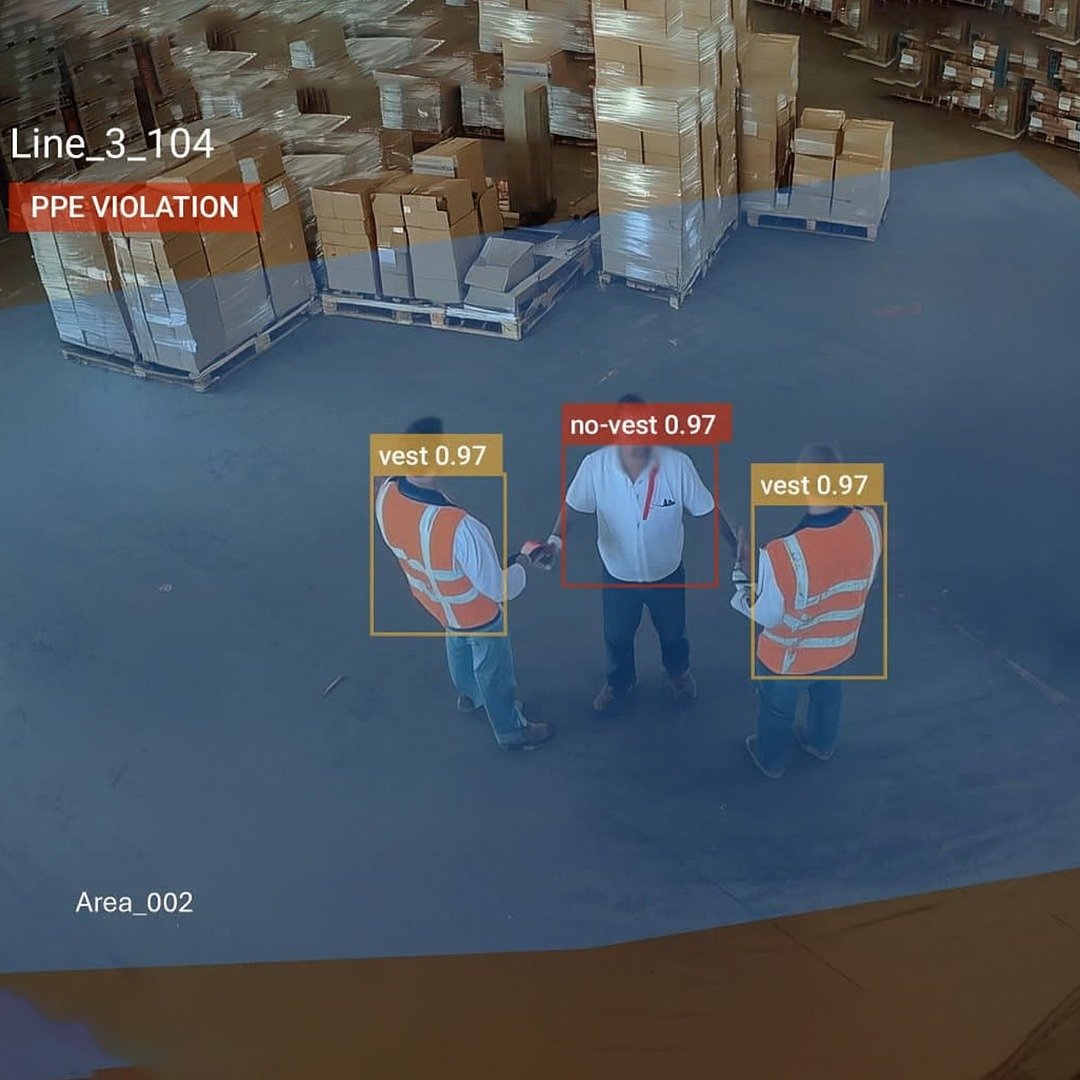
AI-powered Video Analytics enhances workplace safety by providing real-time insights through continuous monitoring. It automatically detects missing helmets, gloves or reflective vests and other PPE items, ensuring immediate identification of non-compliance. These detections appear in a centralized dashboard, allowing safety managers to monitor compliance across multiple worksites simultaneously.
For instance, when an employee enters a high-risk zone without the required gear, the Vision AI Solutions instantly issues an alert, enabling swift corrective action. Over time, this system builds a detailed record of compliance performance, helping organizations improve training programs, track safety behavior trends and strengthen a proactive, data-driven workplace safety culture for the future of PPE compliance.
5. How AI and Video Analytics Work Together
Integrating AI-Driven visual monitoring creates a continuous safety feedback loop that transforms how organizations monitor compliance:
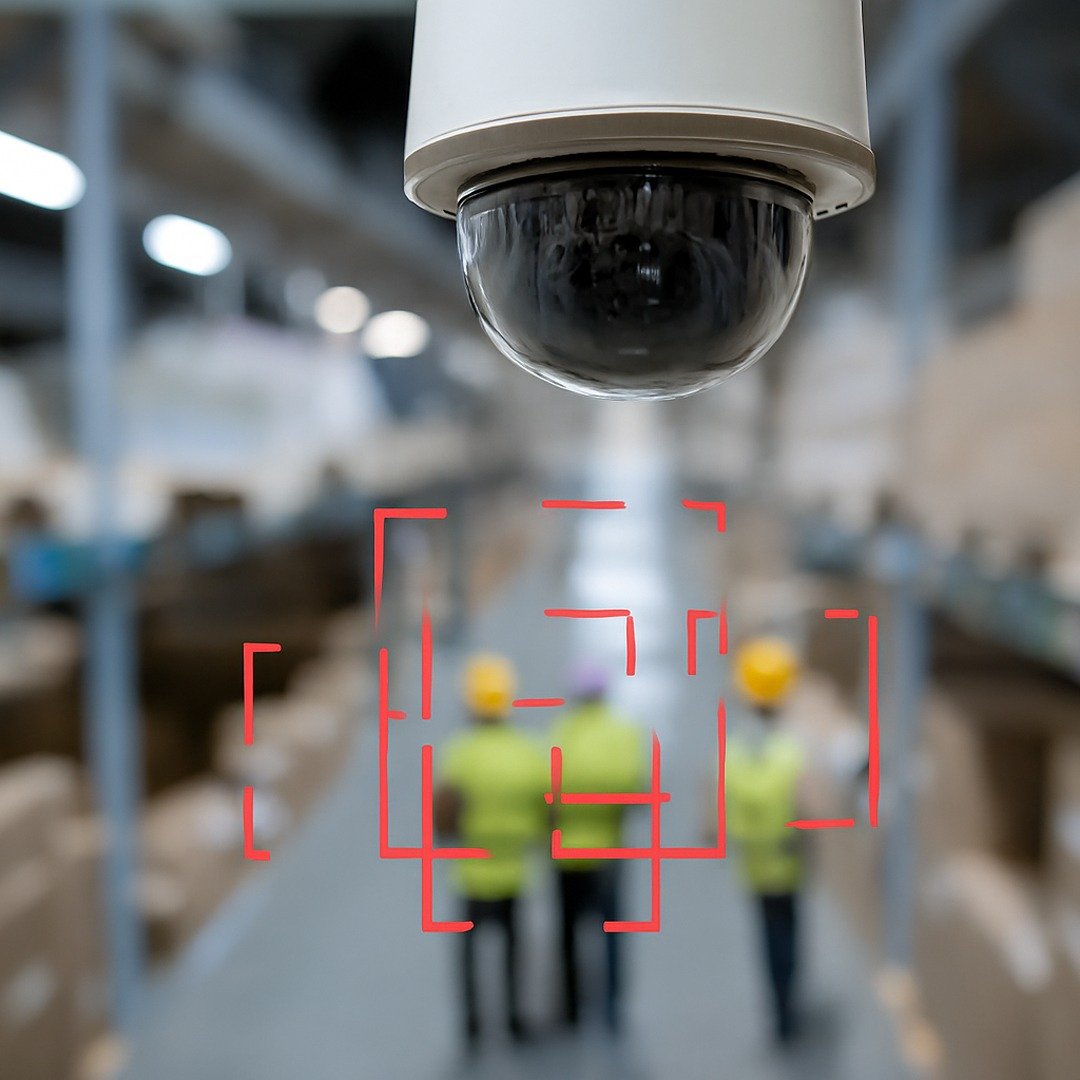
- Video Capture: Smart CCTV cameras continuously record activity across key operational zones.
- AI Processing: Vision-based algorithms analyze live footage to detect PPE usage, unsafe behaviors and potential hazards.
- Instant Alerts: Any violation automatically triggers real-time alerts, enabling immediate corrective actions.
- Actionable Insights: Collected data is analyzed to identify trends, forecast risks and support audit readiness.
This continuous cycle provides constant situational awareness, eliminating the blind spots common in manual inspections. Whether monitoring a factory floor, warehouse or construction site, the system keeps safety teams informed, proactive and in control representing a major step toward the future of PPE compliance, where intelligent automation and real-time monitoring redefine how organizations protect their workforce.
6. Key Benefits of AI and Video Analytics for PPE Compliance
Implementing AI and video analytics for PPE compliance offers numerous advantages for modern workplaces:
- Increased Accuracy and Consistency: Automated monitoring reduces human error and ensures that PPE violations are detected reliably
- Real-Time Alerts: Instant notifications help prevent safety risks before they escalate, keeping workers protected at all times.
- Reduced Reliance on Manual Checks: Automation minimizes the need for labor-intensive inspections, freeing up safety officers for other tasks.
- Improved Employee Safety: Continuous monitoring leads to fewer accidents and lower injury rates, fostering a culture of safety.
- Risk Management: Data-driven insights enable safety teams to forecast violations and optimize preventive strategies. It also creates safer, more efficient work environments, representing the future of PPE compliance.
7. The Future of PPE Compliance with AI and Video Analytics
The future of PPE compliance lies in the continued advancement of AI-driven automation, which has the potential to further enhance workplace safety and ensure consistent adherence to protective equipment standards. It will become smarter and more autonomous capable of detecting new hazards, identifying potential risks and recommending preventive measures with minimal human intervention. These intelligent systems will transform workplace safety from reactive monitoring to proactive.
To stay ahead, businesses should begin integrating AI-powered PPE compliance into their operations today. Early adoption not only improves current compliance but also positions organizations to lead in workplace safety innovation and sets a strong foundation for long-term protection of employees. They’ll lead the next generation of industrial innovation.
Conclusion
The integration of AI and video analytics is transforming the future of PPE compliance, making workplaces safer, more efficient and proactive in preventing accidents. Automated PPE detection, real-time monitoring and instant alerts reduce reliance on manual checks, ensure consistent adherence to safety standards, and enhance overall employee protection. Organizations that adopt these advanced solutions today not only improve their current safety protocols but also prepare for the evolving landscape of workplace compliance.
Contact The Disrupt Labs today to discover how AI and video analytics are shaping the future of PPE compliance and transforming workplace safety.
Frequently Asked Questions
It protects workers from injuries, reduces operational risks and ensures adherence to safety regulations.
Yes, by identifying risks early and alerting safety teams instantly, AI-driven systems prevent incidents and improve operational efficiency.
Yes, video analytics continuously monitors worksites, detects PPE violations and provides actionable safety insights.
Yes, AI can integrate with current CCTV systems to monitor PPE compliance effectively.
They automate PPE detection and hazard monitoring in real time, reducing human error and ensuring continuous safety compliance.
A proactive, data-driven safety ecosystem where AI prevents and ensures real-time compliance across all operations.

Wafa Zehra
She brings together her expertise in business development and content strategy to showcase the growing role of computer vision AI in enhancing workplace safety and HSE/EHS compliance. At The Disrupt Labs, she focuses on writing insightful content that explores AI-driven innovations and their impact on industrial safety.
View all posts